
Hospitality Interior Design Singapore: Key Trends Shaping Hotels & F&B in 2026
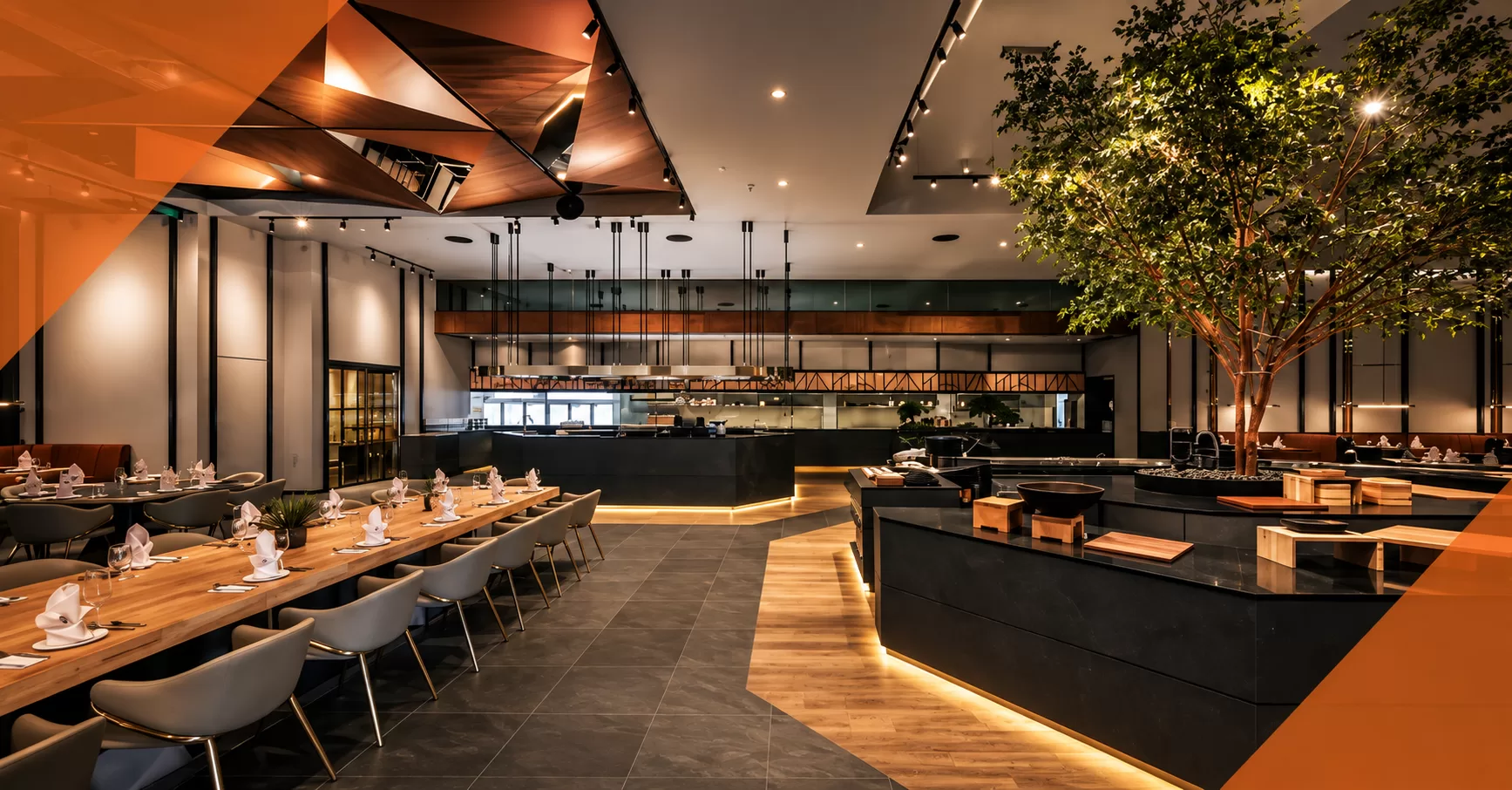
As Singapore’s hospitality and F&B sectors continue to evolve in 2026, interior design is taking centre stage in shaping memorable guest experiences and driving commercial success. From luxury hotels to bustling cafés and vibrant restaurants, the city’s leading venues are reimagining their spaces to meet changing guest expectations, operational needs, and global design trends.
Why Hospitality Interior Design Matters in Singapore
Singapore’s reputation as a global destination for business and leisure places immense pressure on hospitality operators to stand out. Sophisticated travellers and diners expect more than just comfort—they seek unique atmospheres, authentic storytelling, and seamless functionality. Effective hospitality interior design in Singapore does more than elevate aesthetics; it builds brand loyalty, enhances operational flow, and maximises return on investment for hotels and F&B businesses alike.
In a highly competitive market, commercial design solutions tailored to each brand’s identity and clientele can be the difference between a venue that thrives and one that fades into the background.
Trend 1: Biophilic Design and Nature Integration
One of the most influential trends in 2026 is biophilic design—the integration of natural elements into hospitality interiors. From lush vertical gardens in hotel lobbies to greenery-filled dining areas, Singapore’s hotels and restaurants are embracing nature to create calming, rejuvenating environments. This approach isn’t just about aesthetics; studies show that biophilic interiors can improve guest wellbeing, encourage longer stays, and increase spending.
Designers are creatively utilising natural materials like timber, stone, and rattan, alongside abundant plant life and water features. In practical terms, venues are introducing skylights, green walls, and indoor-outdoor transitions to blur the boundaries between built and natural environments.
Best Practices: Successful venues conduct site-specific analyses to determine the optimal placement of plants and natural features, ensuring maintenance is manageable and the visual effect is maximised. For example, an indoor vertical garden behind a reception desk not only provides a striking focal point but also improves indoor air quality. Some restaurants work with local landscape architects to select native plants that thrive in Singapore’s tropical climate, minimizing upkeep and supporting biodiversity.
Common Pitfalls: Overloading a space with greenery without proper maintenance plans can lead to wilted plants and a neglected appearance. Venues should balance live and high-quality artificial foliage if maintenance resources are limited. Lighting and irrigation must be considered early in the design process to avoid costly retrofits.
Trend 2: Local Identity and Cultural Storytelling
Singapore’s unique multicultural heritage is inspiring hospitality businesses to craft interiors that celebrate local identity. In 2026, expect to see more hotels and F&B venues incorporating Peranakan motifs, heritage-inspired tiling, and art pieces from local creators. This trend goes beyond superficial décor, embedding authentic Singaporean narratives into the spatial experience. Such storytelling not only appeals to international visitors seeking a sense of place, but also resonates with local guests who value cultural pride and nostalgia.
Successful examples include boutique hotels that reinterpret shophouse architecture with modern comforts, or restaurants that use traditional materials in contemporary settings. Custom furniture and bespoke joinery further help brands differentiate their spaces while supporting local artisans.
Checklist for Effective Storytelling:
- Identify key cultural touchpoints relevant to your brand and audience.
- Collaborate with local artists or craftspeople for authentic décor.
- Balance traditional motifs with modern finishes to prevent spaces from feeling dated.
- Use storyboards or visual narratives to align all stakeholders before implementation.
By consciously weaving in local stories, venues can create enduring emotional connections with guests and foster distinctive brand identities.
Trend 3: Sustainability and Responsible Sourcing
Environmental responsibility is no longer optional for hospitality operators in Singapore. Sustainability is shaping every stage of the design process, from material selection to construction methods and long-term energy use. In 2026, hotels and restaurants are prioritising eco-certified materials, energy-efficient lighting, and low-waste construction. Upcycled furnishings, modular layouts for flexible use, and water-saving fixtures are increasingly common.
Leading design firms advocate for green certifications and work closely with suppliers to ensure responsible sourcing. These efforts not only reduce operating costs over time but also appeal to eco-conscious guests, who are making brand choices based on visible sustainability commitments.
Action Steps:
- Request documentation of sustainability certifications and supply chain transparency from all vendors.
- Consider life-cycle costs, not just upfront expenses, when choosing finishes and equipment.
- Integrate recycling stations and energy monitoring solutions into the operational layout.
- Build flexibility into design elements to accommodate future upgrades and reduce waste.
Case in point: Several new hotels in Singapore have achieved Green Mark certification by integrating solar panels, rainwater harvesting, and low-emission materials—earning both regulatory approval and guest loyalty.
Trend 4: Flexible Spaces for Dynamic F&B and Events
The rise of hybrid hospitality concepts—spaces that can transform from breakfast lounges to coworking hubs or event venues—demands highly adaptable interiors. In Singapore’s compact urban context, flexibility is a commercial necessity. 2026’s top F&B and hotel interiors feature movable partitions, modular seating, and multipurpose furniture that supports a wide range of activities throughout the day.
Venues are also investing in smart space planning and layout strategy, ensuring operational efficiency without sacrificing atmosphere. For example, a café might expand into alfresco dining in the evening, or a hotel lobby can become a pop-up retail space during festivals. Such flexibility maximises revenue streams and enhances guest engagement.
Implementation Tips:
- Choose furniture that is lightweight and stackable for quick reconfiguration.
- Install sliding or folding partitions to accommodate events of multiple sizes.
- Deploy digital booking and occupancy systems to manage space usage efficiently.
- Test different layouts during soft openings to identify the best configurations for your clientele.
Real-world scenario: A well-known Singapore F&B chain designed its outlets with retractable glass walls and movable booths, allowing each site to seamlessly transition from daytime dining to evening events or private functions—boosting both utilisation and customer satisfaction.
Trend 5: Experience-Driven Design and Immersive Concepts
Hospitality venues in Singapore are increasingly designed as immersive experiences rather than static environments. Themed restaurants, multi-sensory bars, and interactive hotel lobbies use lighting, soundscapes, scent, and visual storytelling to engage all senses. 2026 sees an emphasis on Instagram-worthy moments and experiential zones within larger spaces, designed to encourage sharing and word-of-mouth promotion.
Examples include speakeasy bars hidden within hotel corridors, open kitchens that allow diners to interact with chefs, or immersive projection mapping that transforms dining rooms for special events. By focusing on experience-driven design, venues create memorable moments that differentiate them from competitors.
Scenario Analysis: Consider a boutique hotel in the Civic District: By transforming its lobby into an interactive art gallery by day and a live music lounge by night, the property attracts diverse audiences and generates buzz across social media. This dual-purpose approach not only increases guest engagement but also introduces new revenue streams through event partnerships and ticketed experiences.
Trend 6: Smart Technology Integration
Digital transformation continues to reshape hospitality interior design in Singapore. Technology is now seamlessly embedded into guest experiences, from mobile check-ins and automated lighting to interactive menus and contactless payment systems. In 2026, successful venues integrate technology without sacrificing warmth or hospitality. Examples include smart room controls in hotels, self-order kiosks in F&B spaces, and adaptive lighting that responds to occupancy and time of day.
Advanced 3D visualisation tools also support the design process, allowing stakeholders to explore concepts and materials before construction begins. This reduces costly changes during fit-out and ensures alignment with brand vision.
Key Considerations:
- Prioritise user-friendly and accessible technology interfaces for all guest demographics.
- Ensure robust network infrastructure to support digital systems and avoid service disruptions.
- Train staff on the new systems to maintain a high level of service and guest interaction.
- Regularly review feedback and usage data to refine and optimise technology deployment.
For instance, hotels that pair smart room controls with a human-centric approach—such as personalised greetings or live chat support—achieve higher guest satisfaction than those that automate without maintaining personal touches.
Trend 7: Human-Centric Spaces and Wellbeing
Today’s guests expect more than style—they seek environments that support physical and mental wellbeing. Hospitality interiors are responding with ergonomic seating, acoustic comfort, inclusive layouts, and careful zoning for privacy versus social interaction. Lighting design is tailored to circadian rhythms, and touch-free fixtures promote hygiene. Hotels and F&B businesses are investing in features that foster relaxation, productivity, and accessibility for all guests.
This human-centric approach reflects a broader industry shift toward holistic guest experiences, where design plays a direct role in wellbeing and satisfaction.
Practical Mistakes to Avoid:
- Overlooking accessibility requirements for guests with disabilities.
- Neglecting sound management, leading to noisy or uncomfortable environments.
- Underestimating the impact of poor lighting on mood and productivity.
- Failing to provide clear wayfinding, which can frustrate guests and hurt reviews.
Venues that conduct regular audits of their spaces, considering feedback from diverse guest profiles, are best positioned to create inclusive and restorative environments.
How Top Singapore Interior Design Firms Deliver Results
Partnering with experienced commercial interior design firms is vital for hospitality businesses aiming to implement these trends successfully. Leading firms in Singapore combine deep local knowledge with international best practices in design, construction, and project management. They offer end-to-end solutions—from concept development and 3D visualisation to custom furniture fabrication and regulatory compliance coordination.
For example, Homlux Interior Furnishing Sdn Bhd leverages over 30 years of experience to deliver award-winning hospitality interiors across Singapore and Malaysia. Their integrated design-and-build approach ensures that brand storytelling, operational efficiency, and guest experience are prioritised from the outset. Custom workstations, joinery, and furniture are designed in-house for consistency and quality control, while project teams manage construction, M&E coordination, and final handover.
To explore a broader perspective on emerging commercial interior design trends in Singapore, see our article Top Commercial Interior Design Trends In Singapore.
What to Expect When Engaging a Top Firm:
- Comprehensive site assessment and needs analysis, including operational workflow studies.
- Collaborative concept development sessions with 3D renderings and material samples.
- Transparent project timeline, budget projections, and regular progress updates.
- Single-point accountability from design through to post-completion support.
Engaging a reputable partner ensures your project is delivered on time, within budget, and in line with Singapore’s stringent regulatory requirements.
Practical Examples: Recent Transformations
Singapore’s hospitality industry offers numerous examples of recent design transformations:
- Luxury Hotel Lobbies: Feature sculptural lighting, locally-inspired art installations, and flexible seating arrangements for socialising and business meetings.
- Upscale Restaurants: Blend Peranakan patterns with contemporary finishes, creating distinctive atmospheres for both tourists and locals.
- F&B Chains: Utilise modular furniture, digital ordering systems, and nature-inspired palettes to streamline operations and enhance the guest journey.
- Rooftop Bars: Emphasise panoramic views, open-air greenery, and immersive lighting for a memorable nightlife experience.
Each of these projects demonstrates how thoughtful hospitality interior design can transform a venue’s appeal and operational performance.
Extended Scenario: Consider a mid-range hotel near Orchard Road that recently revamped its restaurant and lobby. By introducing a biophilic wall, locally-sourced art, and a flexible dining/event space, the property increased guest satisfaction scores and attracted new corporate clients for events—a testament to the commercial value of strategic design upgrades.
Comparison Table: Typical Features Before and After Modern Redesign
| Feature | Before | After |
|---|---|---|
| Lighting | Uniform overhead | Layered, mood-based, energy efficient |
| Seating | Fixed, traditional | Modular, ergonomic, flexible |
| Materials | Generic imports | Eco-certified, local, bespoke |
| Technology | Minimal digital integration | Smart controls, self-service, digital menus |
| Brand Storytelling | Minimal local influence | Rich in local culture and narrative |
Actionable Steps for Hospitality & F&B Operators
For business owners and decision-makers considering a renovation or new project in 2026, here are actionable steps:
- Define Your Brand Story: Clarify the unique narrative you want your venue to express through design.
- Engage a Specialist Firm: Work with a reputable commercial design partner experienced in hospitality projects and local compliance.
- Prioritise Flexibility: Plan layouts and furniture solutions that adapt to changing operational needs.
- Embrace Technology: Integrate digital tools that enhance guest convenience and operational efficiency.
- Commit to Sustainability: Choose eco-friendly materials and engage in responsible sourcing from the outset.
- Focus on Wellbeing: Design spaces that support comfort, accessibility, and holistic wellness.
Consulting with an experienced partner such as Homlux Interior Furnishing Sdn Bhd can help guide your project from concept to completion, ensuring every aspect of your interior contributes to long-term success.
Detailed Planning: Preparation Before Execution
Before moving forward, document the target audience, budget range, delivery standards, and owner for every important action. Start with a controlled small-scale test, record quality, timing, exceptions, and customer feedback, and expand only when the evidence supports it.
- Confirm requirements, specifications, quantities, and acceptance criteria.
- Keep quotation, sample, delivery, and support records together.
- Assign an owner and a clear review date.
- Adjust the plan when sales or inventory signals change.
Proper preparation reduces risk and ensures all stakeholders understand expectations and performance standards before significant resources are committed. Many successful hospitality operators use project management software or dashboards to track milestones and accountability throughout the redesign process.
Reducing Execution Risk
A dependable process anticipates delays, quality variation, excess inventory, and communication gaps. Define alternatives for critical steps and agree on the conditions that require a pause or review. After each cycle, compare cost, handling time, returns, and customer feedback so the next improvement is based on evidence.
For example, if a newly designed dining area receives lower-than-expected ratings for comfort, operators can quickly adjust furniture arrangements or lighting, using guest feedback as a guide. Building in feedback loops and contingency plans at each project phase ensures that issues are addressed promptly and do not escalate into costly setbacks.
Improving from Measured Results
Review performance across channels, audience groups, and time periods instead of relying on one headline result. Turn successful practices into repeatable steps while keeping enough flexibility to respond to market changes and new information.
Long-term success in hospitality interior design comes from a culture of continuous improvement. Leading venues set quarterly reviews of guest satisfaction, operational metrics, and financial outcomes, using these insights to refine design and operational strategies for future upgrades or new openings.
Conclusion: Shaping the Future of Hospitality Interiors in Singapore
As Singapore’s hospitality landscape evolves, interior design remains a key differentiator for hotels, restaurants, and F&B venues. The trends shaping 2026—biophilic design, local storytelling, sustainability, flexibility, immersive experiences, smart technology, and human-centric spaces—reflect both global influences and local priorities. By investing in thoughtful, strategic design solutions, operators can create spaces that delight guests, strengthen brand identity, and drive commercial growth.
For those seeking to transform their hospitality venue, partnering with a firm that understands the nuances of hospitality interior design Singapore is essential. With the right expertise and vision, your next project can set new standards for guest experience and operational excellence.
Frequently Asked Questions
What are the most important hospitality interior design trends in Singapore for 2026?
Key trends include biophilic design with nature integration, embracing local identity and cultural storytelling, prioritising sustainability, creating flexible multipurpose spaces, adopting experience-driven concepts, integrating smart technology, and focusing on human-centric wellbeing. These trends are transforming how hotels and F&B venues attract and engage guests.
How does local culture influence hospitality interior design in Singapore?
Local culture is increasingly integrated through materials, motifs, and storytelling that reflect Singapore’s multicultural heritage. Designers use Peranakan patterns, traditional tiling, local artworks, and reinterpretations of shophouse architecture to create unique, authentic environments that resonate with both international visitors and local guests.
Why should F&B and hospitality operators invest in sustainable interior design?
Sustainable design reduces long-term operating costs, appeals to eco-conscious guests, and demonstrates corporate responsibility. By selecting eco-certified materials, optimising energy use, and minimising waste, hospitality businesses in Singapore comply with regulations and enhance their brand’s reputation for environmental stewardship.
How can technology enhance guest experience in hospitality spaces?
Technology streamlines operations and enriches guest experiences through features like mobile check-ins, smart room controls, contactless payments, digital menus, and adaptive lighting. When integrated thoughtfully, these solutions improve convenience, comfort, and overall satisfaction without compromising the warmth of hospitality.
How do I choose the right interior design firm for my hospitality project?
Look for a firm with proven hospitality experience, local regulatory knowledge, and the capability to deliver end-to-end solutions—from concept and 3D visualisation to project management and custom furniture. Leading firms like Homlux Interior Furnishing Sdn Bhd offer single-point accountability and a portfolio of successful hotel and F&B projects.
Transform Your Hospitality Space with Homlux
Ready to refresh your hotel, restaurant, or F&B venue? Let Homlux Interior Furnishing Sdn Bhd help you realise your vision with award-winning hospitality interior design in Singapore. Our experienced team offers end-to-end solutions, from concept development and 3D visualisation to build, custom furniture, and project management. Ensuring your space delights guests and drives business results. Discover how our commercial design solutions can set your venue apart in 2026 and beyond.